
Winter Edition
New Title
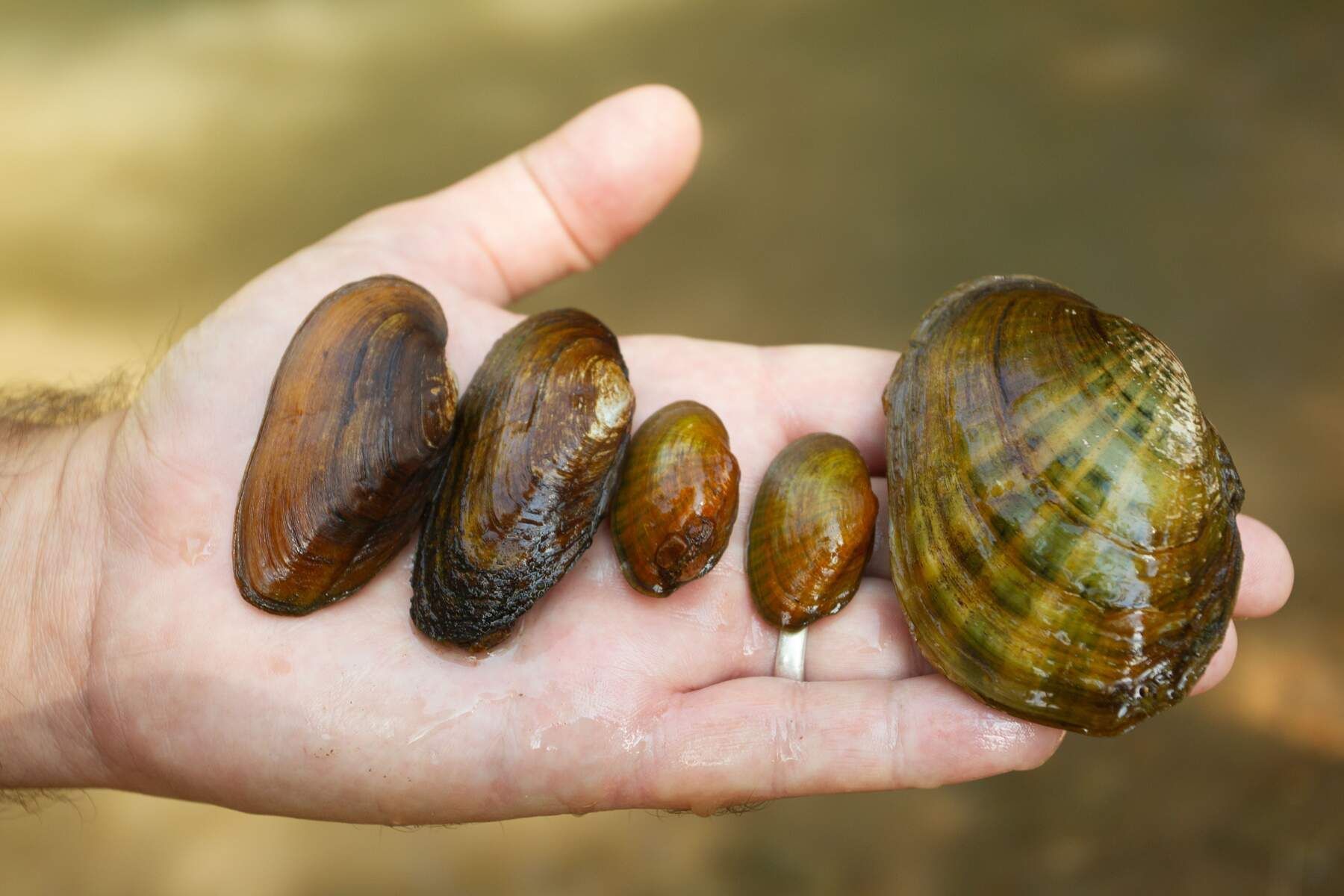
Learn about the importance of freshwater mussels with Hannah Griffis
The Secret Life of Freshwater Mussels
By Hannah Griffis, Volunteer Citizen Science & Education Coordinator
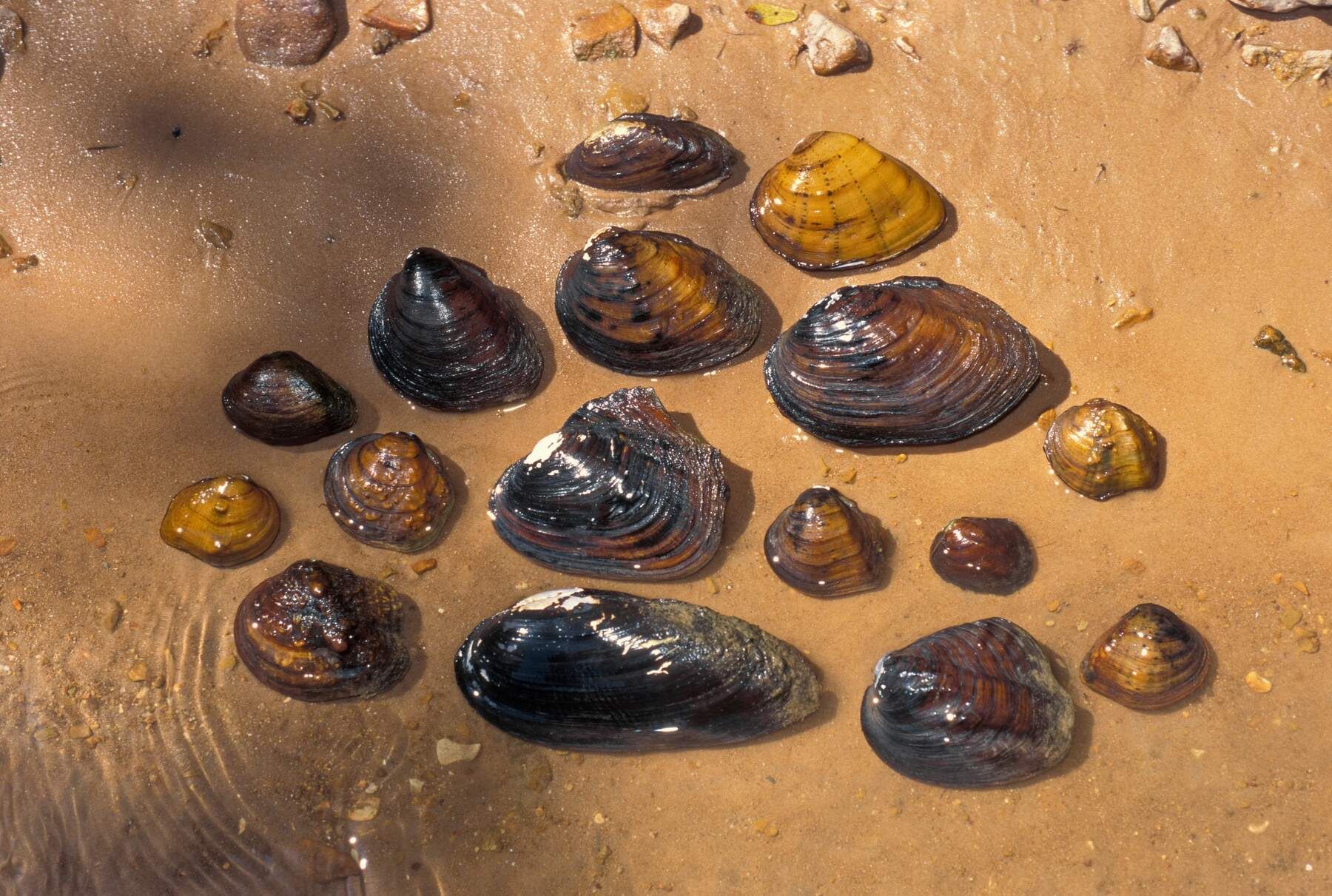
Featured above is a glimpse of the diversity of freshwater mussels in Missouri's streams and rivers.
Whether you are out picking up litter, doing water quality monitoring, or paddling, you have likely come across freshwater mussels, or their shells, along Missouri’s rivers (and lakes). Freshwater mussels serve several important roles, or ecosystem services, in our streams. They are known for their ability to filter water which improves water quality and helps cycle nutrients. In addition, their shells serve as habitat for macroinvertebrates and fish will lay their eggs on them. Finally, they are a food source for fish, birds, and small mammals. Have you ever seen a pile of mussel shells on the edge of a body of water? Animals like muskrats and raccoons will snack on mussels and discard the shells into piles called middens.
Due to their sensitivity to habitat disturbance and pollution, freshwater mussels are often used as bioindicators of water quality. The presence of mussels in a stream is usually an indicator of good conditions. Not only are they used as indicators of water quality, but they can also be used as an indicator for fish species and populations due to their intricate life cycles. Male mussels release sperm into the water and female mussels take in the sperm through their siphons. The eggs are fertilized inside of the female where they stay until they develop into microscopic larvae called glochidia. Most mussel glochidia are parasitic and require a fish host to attach to while they finish developing. Different species of mussels have different strategies of getting their glochidia to attach to fish. Some just release their glochidia into the water column and hope for a host to come by while others have evolved parts of their bodies to act as lures and attract fish to them. For example, mussels in the genus lampsillis (like the plain pocketbook), have a lure that resembles a darter or other small fish that attracts the predacious fish host to get close enough for the mussel glochidia to attach. Glochidia attach to fish gills or fins, where they stay until they are developed into small, juvenile mussels, and then they drop off the fish down to the sediment.
North America serves as a biodiversity hotspot for freshwater mussels with Missouri being home to nearly 70 species, many of which have interesting common names like fatmucket, monkeyface, pimpleback, and threehorn wartyback. Unfortunately, mussels are one of the most imperiled groups of animals with populations across the world in decline. Historically, mussels have been overharvested for use in the button industry and for pearls. Although these practices are no longer the main threat to mussels, there are several other concerns that are affecting population levels. Since mussels are filter feeders, they are especially sensitive to hazards that run off into the water like sediment, pesticides, heavy metals, road salt, and other chemicals. Mussels are also affected by dams, rising water temperatures, and increased drought periods.
In addition, mussels also have to compete with a few invasive species. Asiatic clams and zebra mussels both have less complicated life cycles than freshwater mussels while also taking from mussels’ food sources. This combination allows them to reproduce rapidly and outcompete freshwater mussels. Zebra mussels also have another level of impact on freshwater mussels. Zebra mussels use threads of proteins, called byssal threads, to attach themselves to substrates. Since zebra mussels cannot tell the difference between a rock and a freshwater mussel, zebra mussels will attach themselves to freshwater mussels which can prevent the freshwater mussel from being able to move, feed, and reproduce.
Although freshwater mussels are facing some big hurdles, there are many steps being taken to counteract the decline. Many researchers and agencies are monitoring and implementing best management practices for freshwater mussels, including the Department of Conservation and Department of Natural Resources in Missouri. There are also several agencies who conduct mussel propagation to revive mussel communities, including a program at the Kansas City Zoo and Aquarium. There are also actions that you, as an individual, can take including cleaning your boat and equipment after use to prevent invasive species transport, be mindful of what chemicals you are using on your yard and driveway, and caring for your local streams through Stream Team activities, such as litter pick ups and volunteer water quality monitoring.
Read The Latest Fact Sheet
#39 Tick ADvisory
Learn more about , in our latest Fact Sheet, provided by our wonderful partners at the Department of Health and Senior Services.
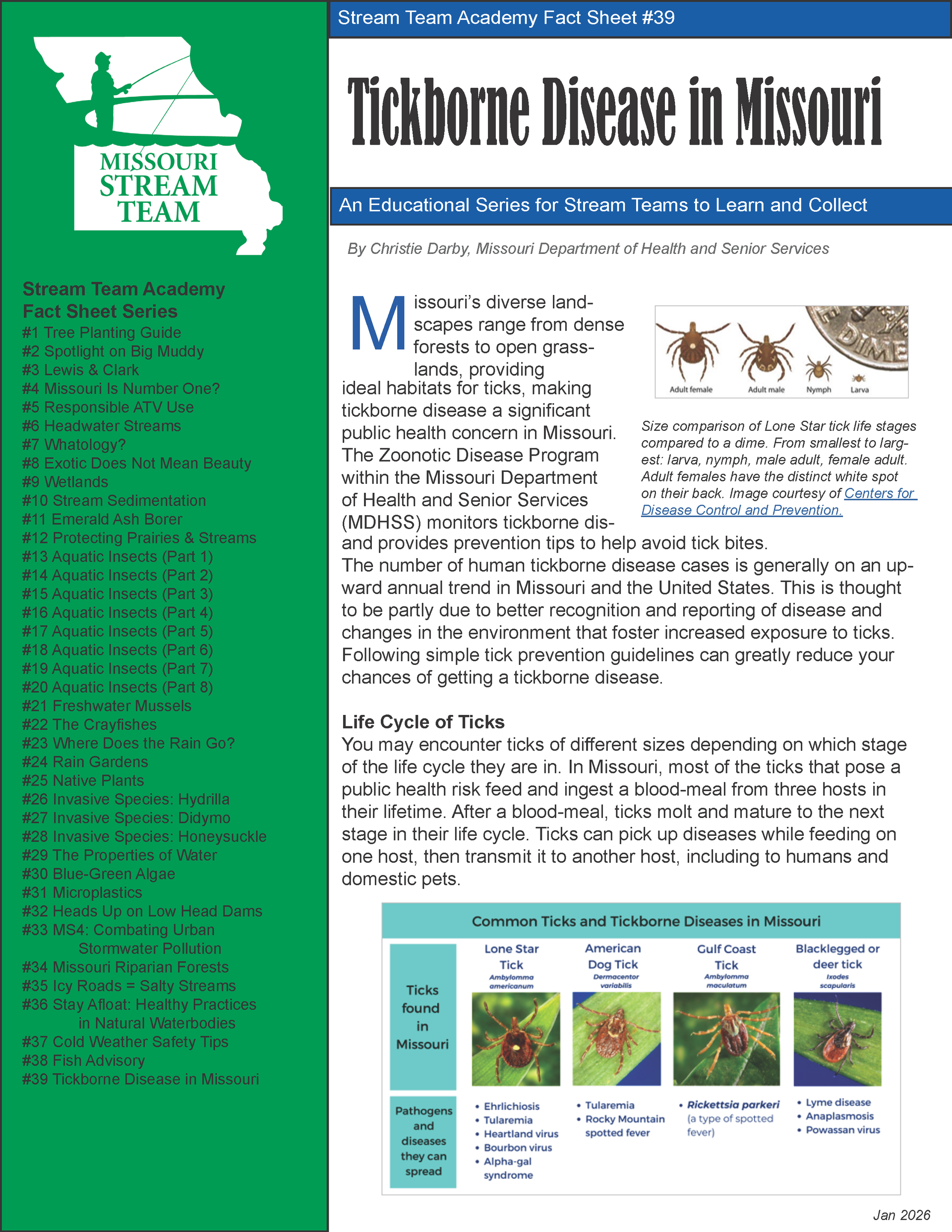
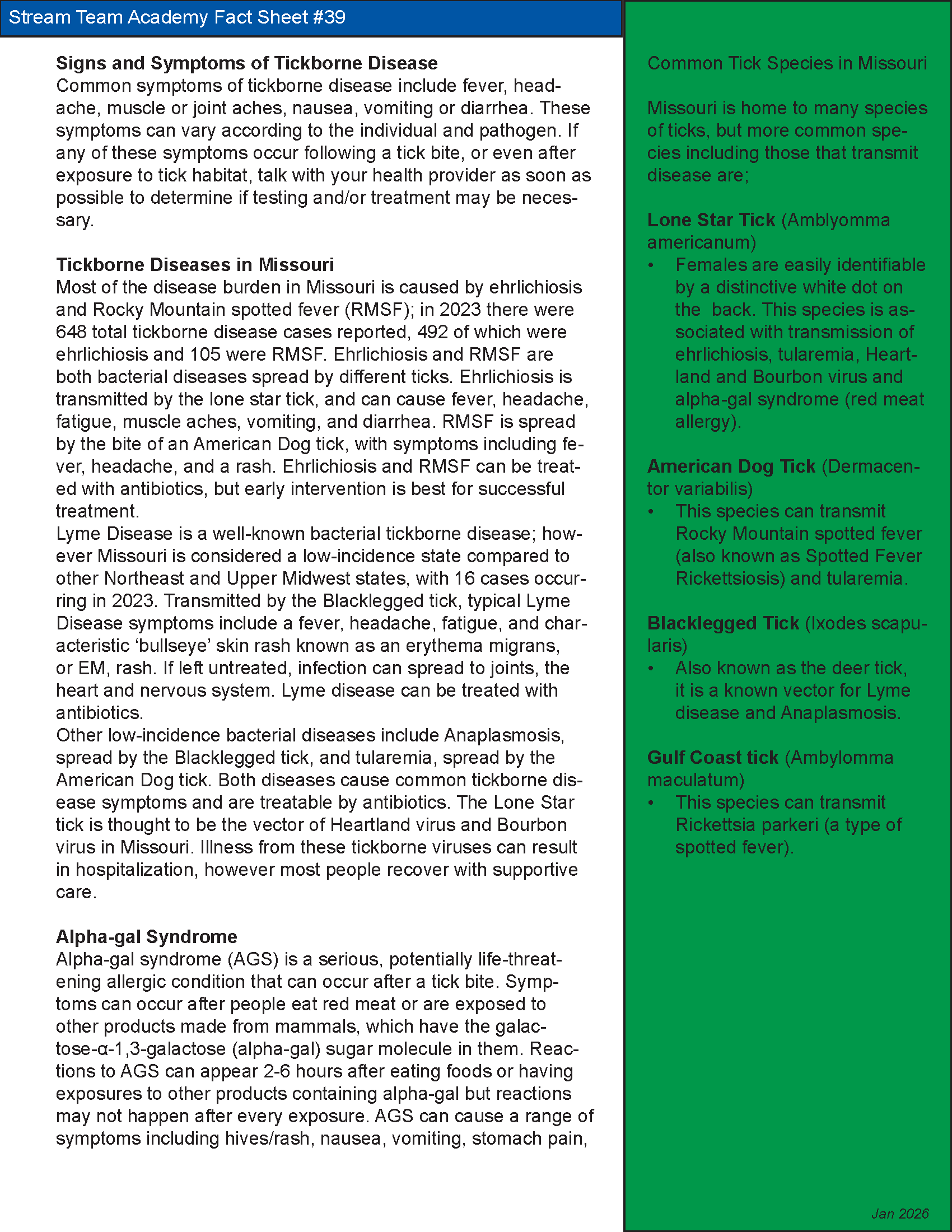
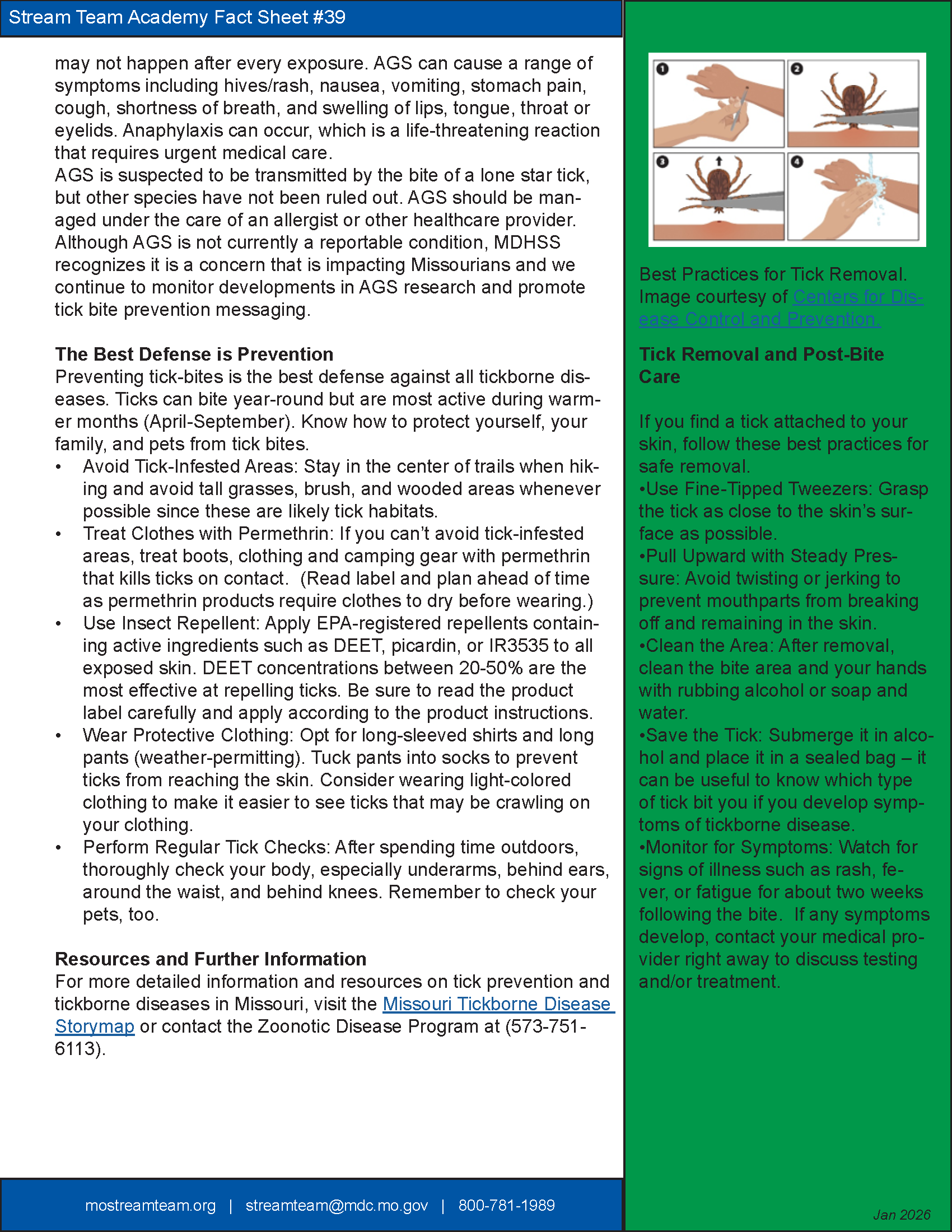
Select the image to enlarge.
Download the PDF here.
Discover CSI projects in our latest Monitoring Minute
Cooperative Stream Investigation Water Quality MonitORING Projects in Missouri
By Randy Sarver, Stream Team Volunteer Water Quality Monitoring Program Coordinator
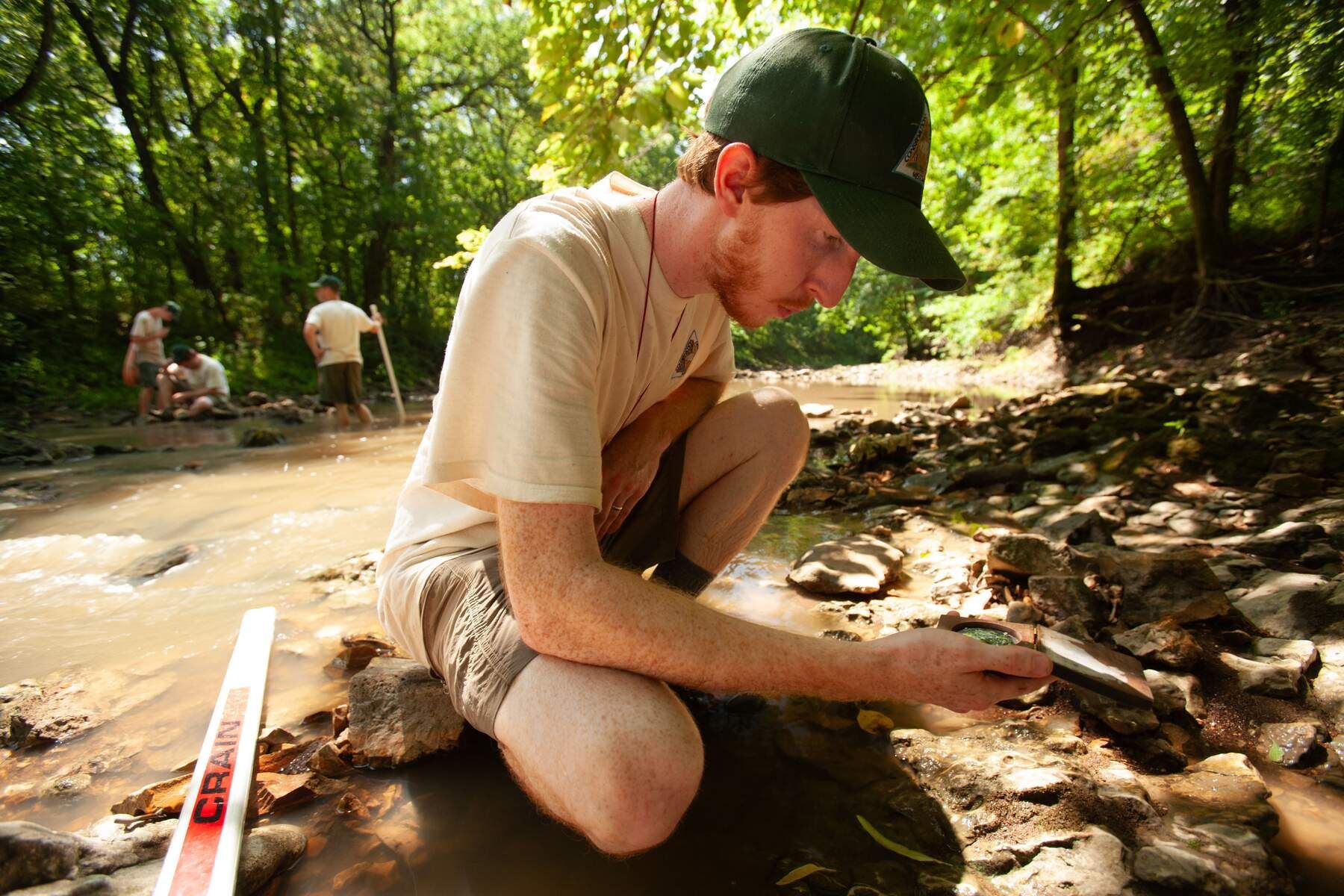
The picture above is of RAM stream survey crew member taken by David Stonner, Missouri Department of Conservation. RAM crews take water quality samples that are extremely similar to the water quality methods of CSI projects and Missouri Stream Team's water quality monitoring program.
For over thirty-five years the Missouri Stream Team Program has promoted citizen awareness and involvement in river and stream conservation through a partnership between the Missouri Department of Conservation, Missouri Department of Natural Resources, Conservation Federation of Missouri, and citizens of Missouri. One of the most popular activities of the Stream Team Program is the Volunteer Water Quality Monitoring Program.
Goals of the Volunteer Water Quality Monitoring Program include:
- Informing and educating citizens about the conditions of our streams
- Establishing a monitoring network
- Generating water quality data
- Enabling citizens to develop new skills
- Halting degradation of Missouri streams
The volunteer water quality monitoring program is flexible, offering progressive levels of training that build on each other. There are currently four levels of training available to volunteers: Level 1, Level 2, Level 3, and Cooperative Stream Investigations.
Cooperative Stream Investigation Projects (commonly called CSI Projects) were added to the Volunteer Water Quality Monitoring Program in March of 2005. Since the initial project in 2005 there have been a total of 36 successfully completed CSI projects. The original goal was to facilitate additional collection of Escherichia coli (E. coli) bacteria data from state waters. The CSI program has since expanded to include stream discharge and chemical parameters such as chloride, nutrients, pH, and total suspended solids.
Volunteers who have successfully completed Volunteer Water Quality Monitoring Program training through Level 2 are eligible to participate in a CSI project, and additional training is provided to volunteers who make a one-year commitment to a project. All CSI data is collected under quality-controlled conditions using Missouri Department Natural Resources standard operating procedures and is analyzed using EPA approved/accepted standard methods. Therefore, volunteer data collected during CSI projects are high quality, documented, and comparable to agency data. CSI collected data are capable of playing an important role in the MDNR’s decision making process relating to Total Maximum Daily Load studies, water quality assessments, and long-term resource use studies.
The most prevalent use of CSI data is assessment of streams for the impaired waters list (Section 303(d) of the Clean Water Act). CSI data is also useful to calculate Total Maximum Daily Loads (commonly called TMDLs), to assess TMDLs that have previously been established for impaired streams, and for modeling purposes of non-point source pollution control projects (Section 319 of the Clean Water Act). Additionally, stream data is useful locally, in identification of pollution sources, and in the long-term development of nutrient criteria for the Missouri Water Quality Standards.
Catch up with teams around the state with the Riffle Review
Riffle Review - 7,130 Teams strong
A quarterly glimpse of Stream Team activities - in the last quarter, Missouri Stream Team volunteers reported:
- 349 Total activities
- 2,225 Total participants
- 6,428 Hours
- 45 Tons of trash collected
- 87 Water quality monitoring trips
Team Snapshots
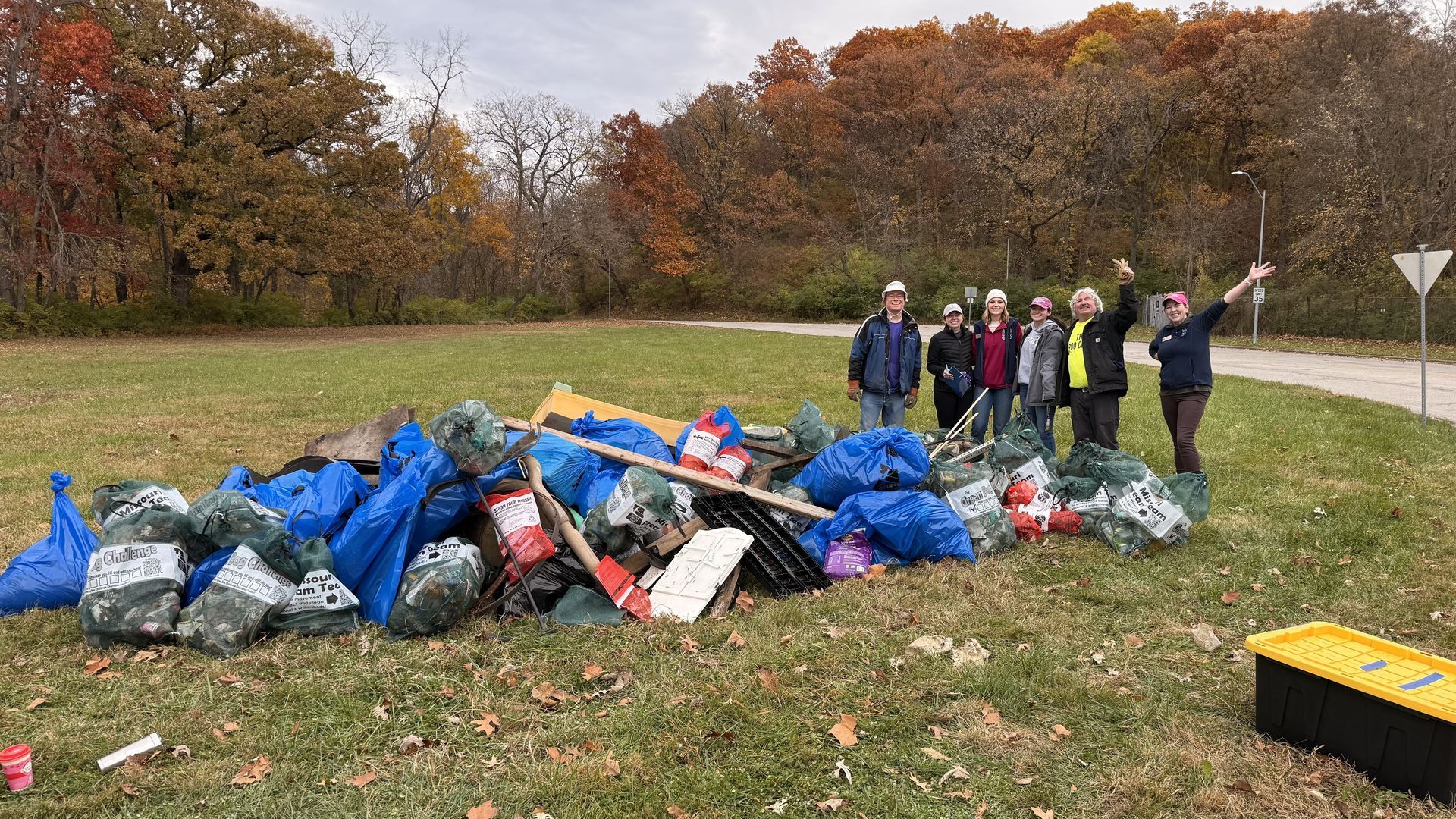
Kansas City Zoo & Aquarium – ST#5942
The Volunteer Engagement Assistant out of Kansas City, Sheryl Vasquez, partnered with the Student Senate from Rockhurst University and Kansas City Parks on October 10 to host 50 students in a litter pickup of Brush Creek in Kansas City. Sheryl provided canoes and led safety for students on the water, where students picked up 27 green mesh bags of trash. The students also hosted a social after, with free hot dogs, chips, and desert for all participants, with music and prizes Sheryl provided.
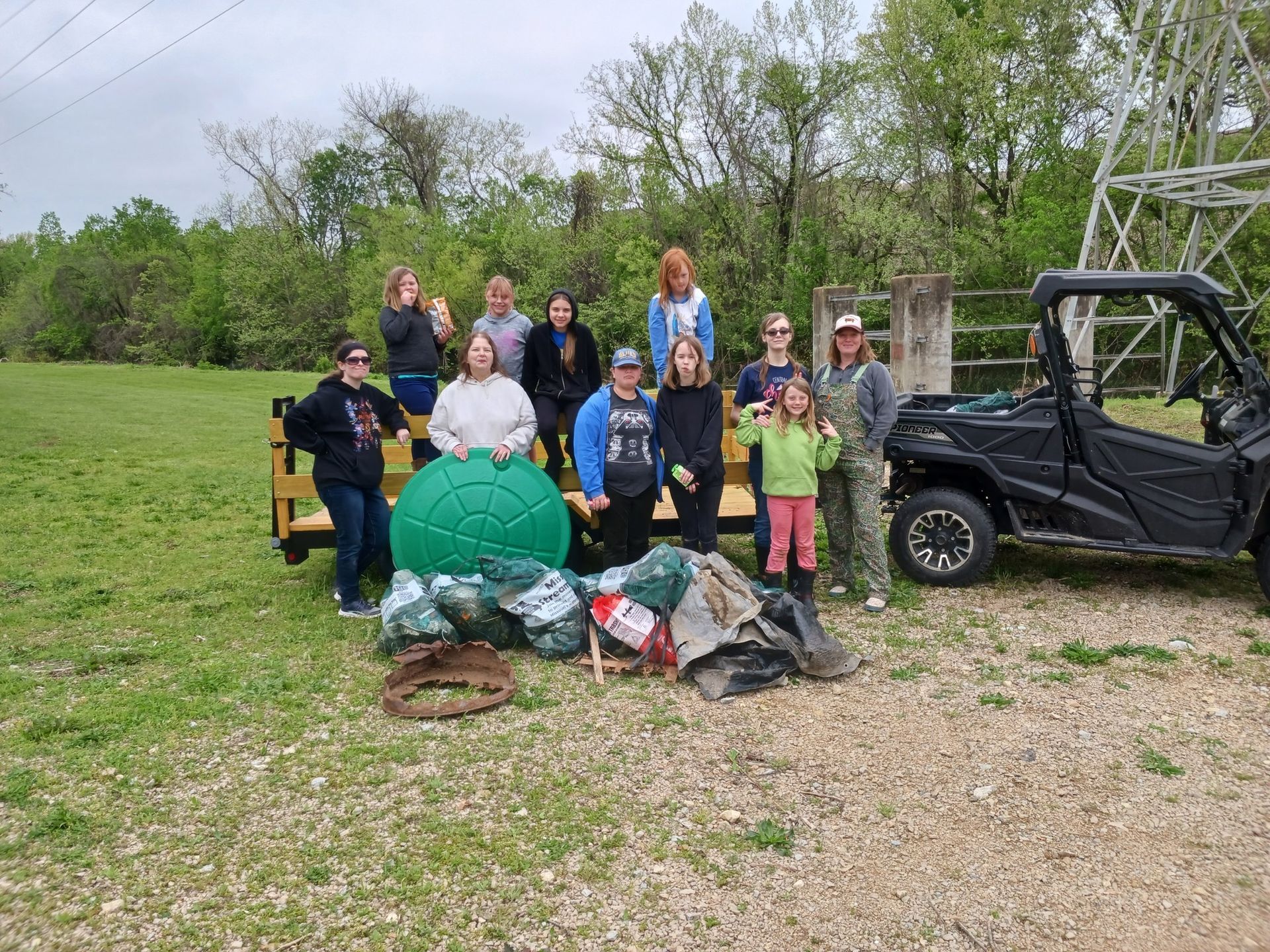
Central Reelers – ST#6313
Juli Kline, a middle school teacher and the Central Reelers Stream Team #6313, is helping connect our youth and future caretakers of our rivers and streams by hosting cleanup events along, in, and around Flat Creek in Park Hills. Outstanding results by this team.
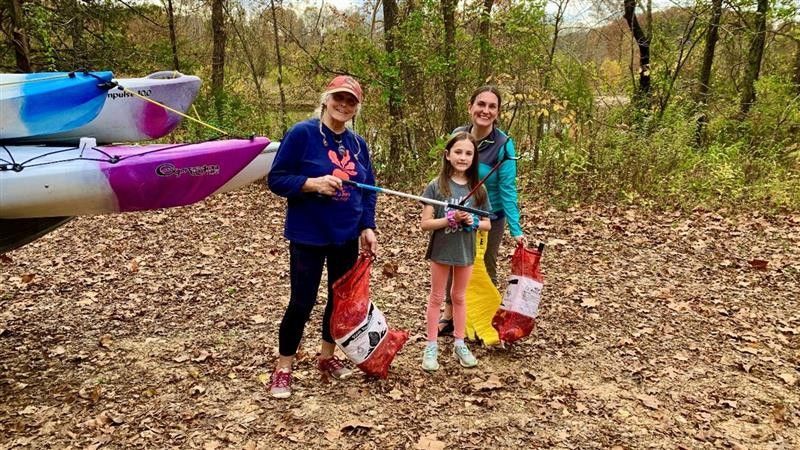
Two Rivers – Stream Team #4617
Finley Creek continues to be uplifted and improved by the hard work and consistent efforts of the Two Rivers Stream Team! Early in November they hosted an impactful cleanup at James River where they donated their volunteer hours to the Dickerson Park Zoo for the Wild Waterway Rescue challenge. In 2025 alone, team #4617 collected 19 tires from our waterways, and approximately an entire dumpster full of litter! Along with contributing a total of 443 hours to Missouri’s waterways. We are honored to have Josette Coffman as a Stream Team volunteer, and we sincerely appreciate her dedication to stewardship and education. Two Rivers Stream Team, for your hard work and dedication – thank you!!
The 100 Club
A highlight of Teams that have contributed more than 100 hours in the last quarter -
| Team Number | Team Name | Hours |
|---|---|---|
| 1875 | Missouri River Relief | 1,469 |
| 5221 | Lindbergh High School Creek Crawlers | 313 |
| 6834 | Kansas City Wildlands | 309 |
| 168 | The Great | 288 |
| 4529 | City of Jefferson | 183 |
| 6897 | Rockhurst University | 253 |
| 5942 | Kansas City Zoo & Aquarium | 225 |
| 7125 | Miles to Go | 195 |
| 5168 | League of Watershed Guardians | 172 |
| 5863 | Salty Scuds | 124 |
| 7107 | Scouting America Troop & Pack 150 | 120 |
| 6668 | Blue River Woodlands | 111 |
| 6379 | Wonders of Wildlife | 108 |
See the results from Wild Waterway Rescue
Wild WaterWay Rescue - A statewide litter pickup challenge
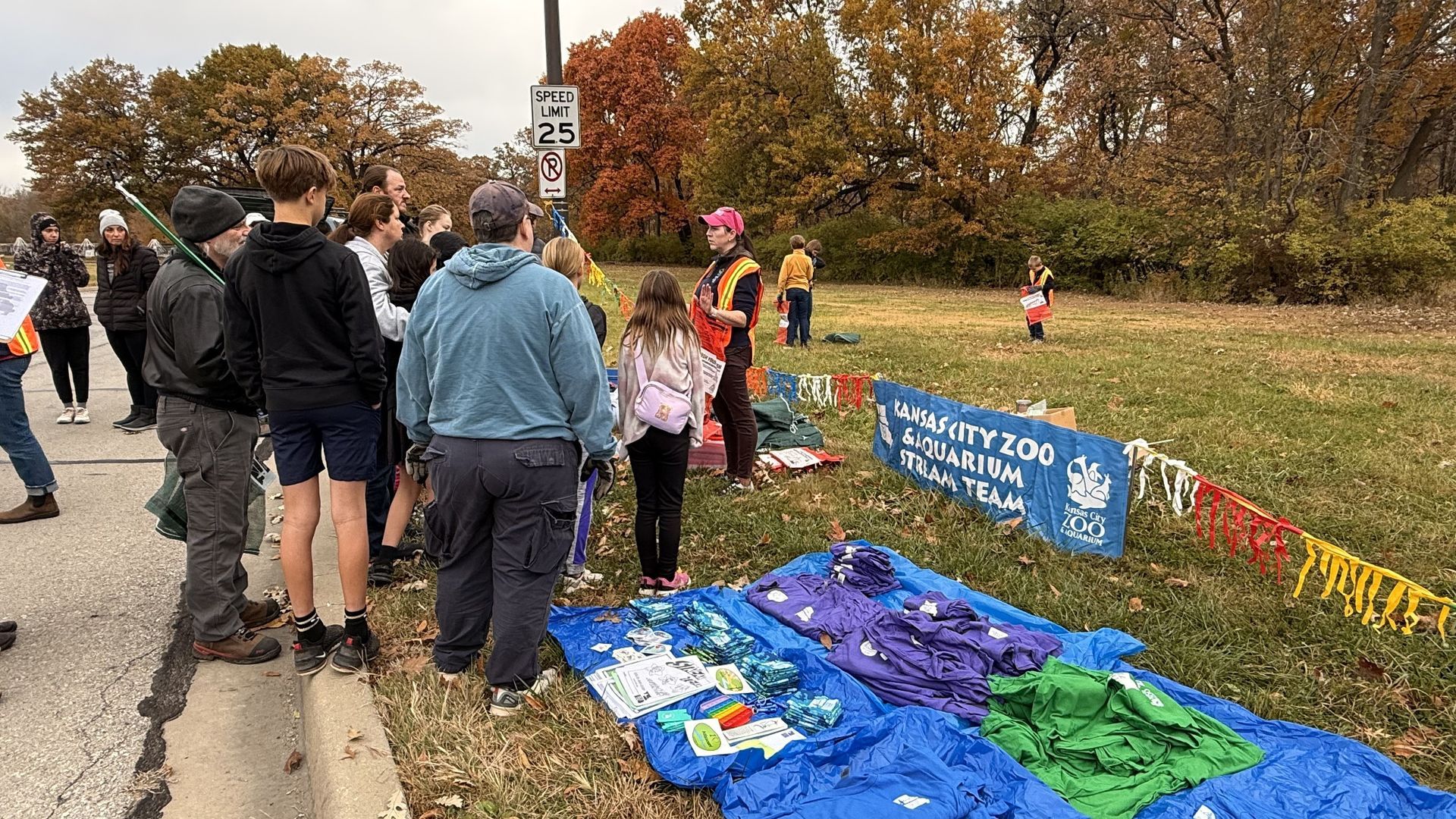
Featured above is Missouri Stream Team #5942, the Kansas City Zoo & Aquarium Stream Team, picking up trash at Swope Park .
statewide totals - 340 participants, 922 dedicated hours, & 10.53 tons of trash removed
Wild Waterway Rescue (WWR) is a statewide, volunteer litter-pickup challenge in partnership with Missouri's zoos and aquariums. Stream Teams across the state took part by removing trash and debris from local waterways and pledging their collected tonnage to the zoo or aquarium of their choice. Friendly competition added energy and visibility to the effort, with the zoo or aquarium receiving the highest pledged tonnage earning traveling trophy bragging rights until next year’s challenge.
Volunteer Impact & Results
This year’s challenge produced record-breaking results, demonstrating the power of coordinated volunteer action across Missouri. Across
21 reported cleanup events,
340 volunteers contributed
922 service hours and removed
10.53 tons of trash and discarded materials from Missouri watersheds.
Highlights from Across the State
- In Kansas City, volunteers with
Kansas City Zoo & Aquarium participating in a cleanup at
Swope Park worked for more than 3 hours removing trash from roadsides and creek corridors. The effort concluded with on-site weighing and removal by Kansas City Public Works.
- Also in Kansas City, the Blue River Woodland Stream Team
brought together 21 volunteers who removed
1.5 tons of trash and tires from their local watershed. The cleanup also fostered community connection, ending with shared food and conversation around a campfire.
- At Missouri Southern University, student volunteers with the Environmental Science Club organized and carried out a Wild Waterway Rescue cleanup, demonstrating strong campus engagement in local conservation.
- Additional cleanups took place in
south Springfield and at
McIndoe Park in Joplin,
further extending the reach and impact of the challenge.
Together, these efforts highlight the strength, dedication, and community impact of Missouri Stream Team volunteers and their partners in protecting and restoring Missouri’s waterways.
Get Excited about Activity Prizes
QuarterLY Activity Prize Drawing - Prizes for Last QUarter

Quarter Prizes:
- AI BeakView, Bird Feeder Camera
- Field Guide Package - National Geographic, Birds of North America; Kaufman, Field Guide to Insects of North America; Missouri Department of Conservation, Show-Me Herps
- Equip, Travel Hammock
Quarter Youth Prize:
- Wild Birds Unlimited, TreeScape Window Feeder
Fill out an Activity Report for your past or upcoming events, and you could win a prize next quarter!
If you ordered supplies in advance, please don’t forget to report your accomplishments after your event. Missouri Stream Team relies on your reporting to continue to get funding!
Read the Latest Coalition Corner
Coalition corner

Join us for these upcoming advocacy dates this winter & Spring
By Mary Culler, Executive Director of Stream Teams United
As we begin this new year of 2026, we reflect on successes and challenges of 2025. In our last Coalition Corner in the Fall 2025 newsletter, we discussed advocating for water during politically divisive times, and encouraged readers to keep an eye out for the Conservation Federation of Missouri’s January magazine (see pages 32-35 for The Top 25 of 2025 arti… which discusses 25 federal actions of last year related to the environment and conservation. If you have not yet read this article in the CFM magazine, check it out!
From a water advocacy standpoint, 2026 kicked off with the due date for comments on the federal proposed rule for a new definition of Waters of the U.S., which seeks to further limit the federal jurisdiction of the Clean Water Act. Stream Teams United submitted a comment about this proposed rule, which will be reviewed by the EPA, along with the over 29,000 comments received. At the state level, our state legislative session kicked off January 7th, and Stream Teams United has already reviewed the topics of over 1,600 bills and resolutions. Check out our 2026 Legislative Lookout for state level proposed legislation – we will be providing weekly updates on public hearings and opportunities to advocate during state legislative session.
One of the three pillars of the Missouri Stream Team Program is advocacy. While we do what we can at Stream Teams United to advocate for Missouri’s waters, more advocates are always needed to speak up for our state’s waters and natural resources. That’s why in 2026, we are beginning to host quarterly meetings where all Stream Team members are invited, to learn more about current advocacy issues, and to provide a space for advocacy discussions. I hope you join our discussions this year. Our first of the quarterly advocacy meetings will be held Thursday, January 22nd at 6 PM. Register here. The second meeting of 2026 will be held Thursday, March 26th at 6 PM. Register here.
We invite all Missouri Stream Team members and water enthusiasts to join us on April 14, 2026, for our sixth annual advocacy day at the Missouri State Capitol: Great Rivers State Day. This is a great opportunity to meet Missouri legislators and share with them the importance of conserving our state’s water and communicating about urgent issues. Interested in learning more about our annual advocacy day at the state capitol? Sign-up here to receive updates and information about how to participate.
We hope you join us in 2026 to be a part of advocacy efforts for Missouri’s rivers and streams. Thank you to everyone who speaks up for their local waters!
-Mary Culler, Executive Director, Stream Team United